Knowledge Map
A focused assessment of the knowledge worth preserving, where it lives, and the right form for carrying it forward.
Interview-built archives, legacy books, and succession records for founders, families, and people whose work shaped a field.
Discuss a commission
The hidden risk
The most valuable knowledge often lives in remembered conversations, instinctive decisions, old relationships, cautionary stories, and the answer to a question no one has thought to ask yet.
Working Memory creates a thoughtful record before a retirement, transition, sale, or family handoff turns that knowledge into a missing piece.
Private commissions
Every engagement is interview-led, discreet, and shaped around the people who will use the finished work.
A focused assessment of the knowledge worth preserving, where it lives, and the right form for carrying it forward.
An interview-built record of a founder’s story, principles, turning points, decisions, and hard-won lessons.
A practical body of decision guides, relationship histories, operating knowledge, and context for the people taking over.
A carefully reported personal or family history, written for family use or designed as a finished book.
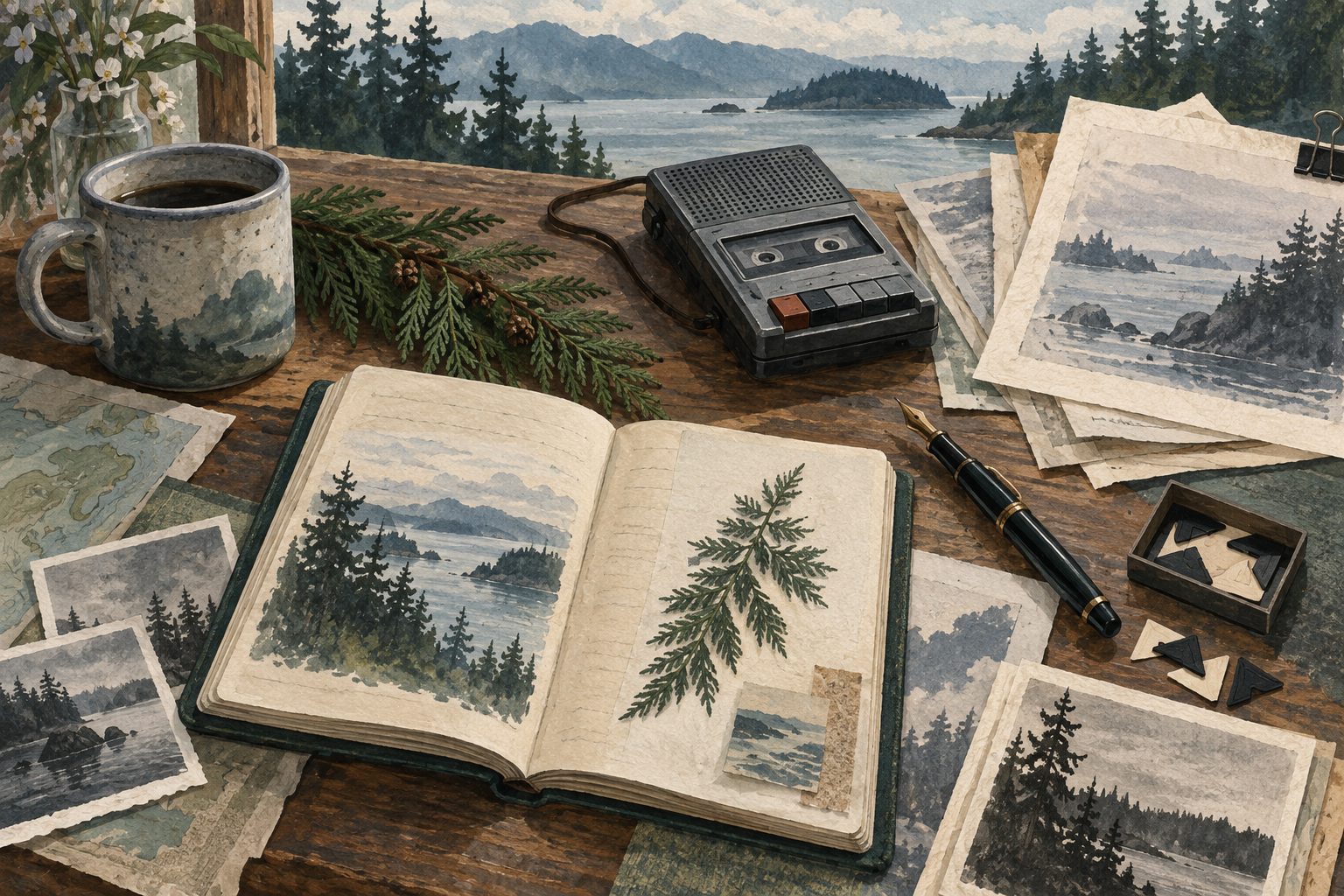
Inside a Founding Archive
Read it from beginning to end, or open it when a successor needs the history behind a decision. The work draws from oral history, documentary art, and years of listening to people describe what their work cost, changed, and made possible.
The method
We identify what may disappear, who needs it, and which finished form will serve them.
I conduct guided interviews designed to reach the stories beneath the rehearsed version.
I build a readable structure around the decisions, relationships, patterns, and practical knowledge that emerge.
You review the work in stages. The final record arrives ready to keep, share, teach from, or hand on.
Discretion is part of the work
Every project begins with a clear agreement about access, attribution, draft review, source material, and the future use of the work. Confidentiality agreements are available.
Interviews move at the client’s pace. Sensitive material can be separated, restricted to named readers, or held for a later date.
Interviewer and writer
Liam is an interviewer, writer, and communications strategist based on the Oregon coast. For more than a decade, they have helped people find language for complex work, consequential decisions, and experiences that resist easy summary.
Their writing and creative work have appeared in Pitchfork and Tin House. They have produced five seasons of Future Prairie Radio, a series of one-to-one conversations with LGBTQ2SIA+ and ALAANA Oregon artists.
Their oral-history work has explored caregiving, community health, artists’ lives, and the knowledge held by people on the north Oregon coast.
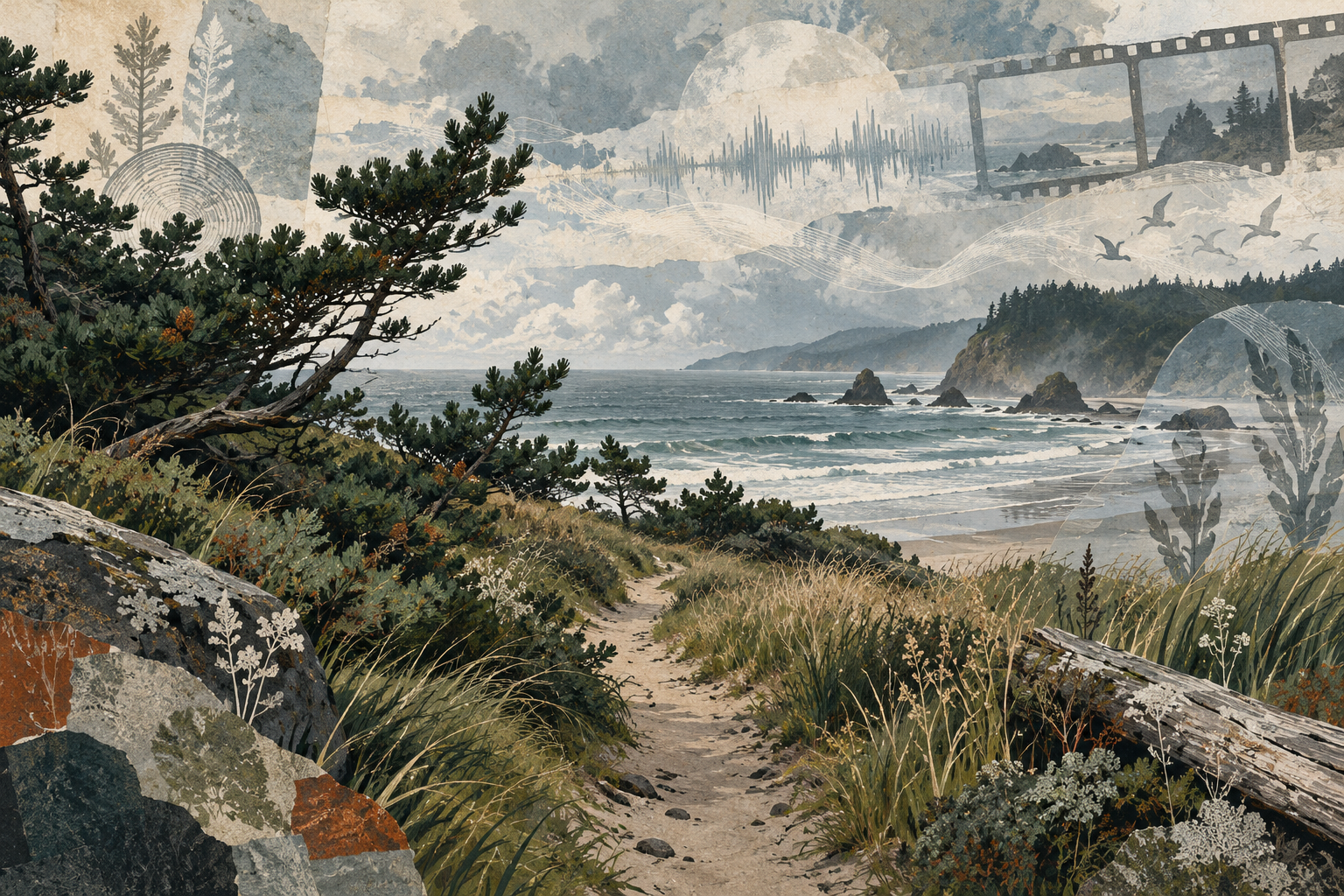
Place enters the record through weather, work, movement, and the voices attached to it.
Influences & lineages
Working Memory belongs to a longer practice of oral history, documentary art, social practice, and place-based storytelling.
An oral-history project recording longtime residents, artists, fishers, business owners, gardeners, and the Hoffman Center’s founding generation through audio, photography, film, and youth media.
Their coastal arts legacy offers a model of culture built through relationships, local memory, and the patient creation of places where other people can make and share work.
An ASL-accessible Future Prairie workshop series teaching oral history, preservation, and storytelling techniques so personal archives can become part of public memory.
Created with Onry, with portraits by Brett Brown, this project records elder musicians’ stories, pays them directly, and treats portraiture as cultural memory and intergenerational creative lineage.
A storytelling sculpture that joins imagination to place, reminding me that an archive can hold mystery, texture, and invention alongside verifiable history.
The Oregon Historical Society, Oregon State University, and Tillamook County Pioneer Museum show how regional records can keep ordinary expertise, local decisions, and lived voices available to the future.
A useful place to begin
A 30-minute conversation can clarify what is at risk, who needs it, and whether a Knowledge Map is the right first step.
Request a consultation